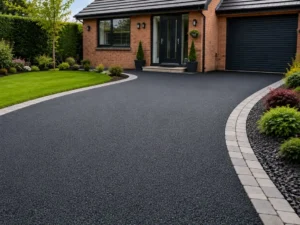
Tarmac is perhaps one of the most common materials for driveways because of it’s hard wearing, low maintenance and visually striking surface. However, the choice of which type of tarmac to use in construction of your driveway depends on some factors. When laying down tarmac on a new or existing driveway, it is important that you select a good quality tarmac surface for that will give you the full benefits with an attractive appearance for your home.
Tarmac has been divided into several categories; therefore, making efforts towards comprehending it is a noble cause.
However, it is important to learn that there are various types of tarmac surfacing suitable for various designs before discussing other factors. The two primary types of tarmac used for residential driveways are:
a. Hot Rolled Asphalt (HRA)
Hot Rolled Asphalt is a heavy paved floor which is a mixture of bitumen with aggregate that has been spread while hot. Since it is a strong material, it is typical for use on high traffic roads, but it can also be used for driveways. HRA has a very smooth surface and is suitable for all property owners who are more concerned with the duration their structure will last.
b. Stone Mastic Asphalt (SMA)
Stone Mastic Asphalt can be used on residential driveways because it is one of the most used wearing courses for pavements. Again, it has greater proportion of aggregate than bitumen making the product to be very strong and resistant to wearing out. SMA offers better adherence and non-slip properties for this reason; it is safer to drive on than regular tile roofing for instance during icy weather.
Thus, both types have their advantages that mean that understanding the difference between them will help a user choose the best option for him or her.
Traffic Load and Usage
One of the most important things which should be taken into account is how much and what kind of traffic your driveway will experience. Thus, if your driveway can allow only several cars, including personal ones, a standard tarmac should suffice. Nonetheless if the area will have to cater for additional mass such as delivery trucks, Recreational Vehicles or Construction Equipment, then you will require a tarmac mix with more weight handling capacity without causing the surface to disintegrate.
For driveways exposed to frequent use by heavy vehicles, opt for a more durable option like Hot Rolled Asphalt, which can handle higher stress loads without cracking or wearing down prematurely.
Climate and Weather Conditions
Consider the following weather-related factors:
a. Temperature Extremes
Even in warm months, freeze-thaw cycles leads to the formation of cracks as well as potholes in your driveway. And since SMA contains more aggregates than SMA, it tends to be more resistant to the sudden change in temperatures favourable for cold climatic areas. Sealant may also be needed to prevent water penetration on the surface especially during a very low temperature.
b. Water Drainage
Tarmac is also vulnerable to water damage and, therefore, the right drainage system must be provided when constructing a tarmac driveway. It is recommended that your contractor should begin construction of the driveway with some gradient to avoid collection of water on the surface. Even where the use of tarmac is necessary for other reasons, for example in areas which are affected by floods or are heavily endowed with rainfall, there are varieties of permeable tarmac which would ensure that water do not accumulate on the surface.
Aesthetic Appeal
Although functionality is important, the style of the driveway also determines the outer appearance of your property. Tarmac gives a smooth and speckled surface but it is advisable to select a right type of finish and color that suits the outer surface of your house.
a. Color Choices
The traditional tarmac colour is black, this gives a cleaner and more modern appearance. But coloured tarmac is gaining popularity for those home owners who seek to beautify their homes’ driveway. Non standard colours such as red, green could be used to make your driveway stand out, yet can be provided the benefits of a tarmac driveway.
b. Edging and Borders
Maintenance Requirements
Tarmac is a low friction WBM which boasts low maintenance, but this certainly does not make it for no maintenance whatsoever. Indeed, over a while, so many factors may make your driveway fade away through wear and tear of the materials used. Semi-annual or as required the outer layer, will need to be cleaned, there by counting the years and preserving the freshness of the name.
a. Sealcoating
Still, sealcoating is the common practice that helps to cover and preserve the tarmac surface from such threats as ultraviolet radiation, water penetration, and chemicals impacts. It also redecorates the driveway giving it that smooth black look which is an added advantage of work done. Sealcoating is recommended after every 2-3 years based on the wearing surface level and traffic or intensity of use .
b. Repairing Cracks and Potholes
However, tarmac is a very strong material, that nevertheless, like any other, can break down into cracks or potholes after several years of usage, carrying significant traffic, or experiencing extreme climate. Drive carefully and keep an eye on your driveway also minor cracks should be repaired before developing into serious issues. Even many cracks on the driveway can be easily sealed with a simple crack filler based on bitumen, and this will help you prolong the service life of your driveway.
Cost and Budget
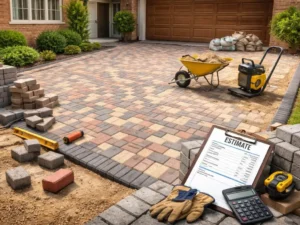
Perhaps the most critical determinant of the kind of tarmac that is most suitable for your driveway will be budget. Tarmac is generally a cost-effective option compared to other materials like concrete or paving stones, but the final cost will depend on several factors:
- Type of Tarmac: Generally Hot Rolled Asphalt costs are than the costs of Stone Mastic Asphalt, yet, Hot Rolled Asphalt offers more sturdiness when it comes to road wear and tear, hence expenses in future repair will be higher.
- Driveway Size: It could be expected that bigger drive ways will use more materials and the work that is being done hence will be expensive.
- Site Preparation: Industry professionals take into account the following site factors which are likely to increase the cost of constructing a new driveway:
Thus, when selecting your tarmac, more significant emphasis should be on costs accompanied by the value of utilizing the same in the coming long term. It may well be cheaper in the long run to purchase a slightly more costly, better quality item so may not require as many maintenance and repairs.
Professional Installation
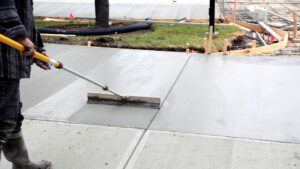
Last but not the least; the choice of the contractor to lay down the tarmac driveway is equally crucial. Correct installation is very important if you want your driveway to serve you for several years without serious complications.
Make sure to:
- Check Credentials: Check whether the contractor you have hired is professional, appropriately certified and insured.
- Get Multiple Quotes: In order to understand what is a reasonable and fair amount overall contractors, you should ask for several quotes.
- Inspect Past Work: Before signing a contractor, the homeowner should request references or photos of other projects they have done especially tarmac driveways.
- Clarify Guarantees: Professional contractors should ensure that they provide warranty on either the material or the workmanship once they have been hired by a client to work for them.
Conclusion
It is not just a question of picking a type of tarmac but also a question of load, climate, look and ease of maintenance. With the knowledge of different types of tarmac, it is easier for you to assess suitability of each option for your new driveway and make sure that at the end of the day you not only have a strong functional solid pavement for your property but also have an aesthetic value of the property considered.
Possessing many advantages for both home owners and contractors, a properly selected and adequately designed and installed tarmac driveway can serve as a virtually indestructible surface to the house.