Choosing the right material for your driveway or patio is a critical decision that impacts not only the aesthetics of your property but also its functionality and longevity. In Bath and the South West, where weather conditions can be unpredictable, selecting a durable and visually appealing surface is essential. Two of the most popular options are tarmac and concrete, each offering unique benefits and challenges. This article explores the key differences between tarmac and concrete to help you make an informed choice for your home or commercial space.
What is Inside the Story
- Overview of tarmac and its key characteristics
- Overview of concrete and its key features
- Comparison of tarmac and concrete based on cost, durability, aesthetics, maintenance, and weather performance
- Guidance on choosing the right material for your driveway or patio
- How TAG SW Limited’s expertise can ensure a high-quality installation
Understanding Tarmac
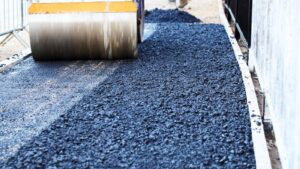
Tarmac, short for tarmacadam, is a versatile surfacing material made from a mixture of tar, bitumen, and aggregates like gravel or crushed stone. It’s widely used for driveways, patios, and pathways due to its smooth finish and durability.
Pros of Tarmac:
- Cost-Effective: Tarmac is generally more affordable than concrete, making it an attractive option for budget-conscious homeowners.
- Quick Installation: Tarmac can be laid and set within a day or two, minimizing disruption to your property.
- Low Maintenance: Tarmac requires minimal upkeep, with occasional cleaning and sealing to maintain its appearance and longevity.
- Smooth Finish: Its sleek, dark surface complements modern and traditional properties alike, enhancing curb appeal.
- Weather Resistance: Tarmac handles Bath’s rainy climate well, as it’s non-porous when properly sealed, preventing water damage.
Cons of Tarmac:
- Limited Aesthetic Options: Tarmac is typically available in black or dark shades, offering less design flexibility compared to concrete.
- Heat Sensitivity: In rare hot spells, tarmac can soften slightly, though this is less of an issue in the UK’s temperate climate.
- Aging Appearance: Over time, tarmac may fade or develop minor cracks if not maintained properly.
Understanding Concrete
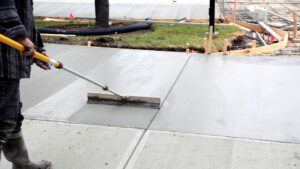
Concrete is a robust material made from cement, sand, gravel, and water. It’s a popular choice for driveways and patios due to its strength and versatility in design.
Pros of Concrete:
- Durability: Concrete is exceptionally strong and can last decades with proper care, making it ideal for high-traffic areas.
- Design Flexibility: Concrete can be stamped, stained, or textured to mimic materials like stone, brick, or tiles, offering endless customization options.
- Low Maintenance: Once sealed, concrete resists stains and weathering, requiring only periodic cleaning.
- Cooler Surface: Unlike tarmac, concrete doesn’t absorb as much heat, making it a better choice for patios where people walk barefoot.
Cons of Concrete:
- Higher Cost: Concrete is typically more expensive than tarmac, both in materials and installation, due to its complexity.
- Longer Installation Time: Concrete requires curing time, which can extend the project timeline by several days.
- Cracking Risk: In areas with heavy rain or freeze-thaw cycles, like Bath, concrete can develop cracks if not properly reinforced or sealed.
- Staining Potential: Unsealed concrete is prone to oil stains or discoloration, which can affect its appearance.
Comparing Tarmac and Concrete
- Cost: Tarmac is generally 20-30% cheaper than concrete, making it ideal for larger areas or tighter budgets. Concrete’s higher cost reflects its design versatility and longevity.
- Durability: Both materials are durable, but concrete typically outlasts tarmac (30-50 years vs. 15-20 years) with proper maintenance.
- Aesthetics: Tarmac offers a sleek, uniform look, while concrete provides more options for patterns, colors, and textures, appealing to those seeking a bespoke design.
- Maintenance: Both require sealing and occasional cleaning, but tarmac’s smoother surface is easier to sweep, while concrete may need more attention to prevent staining.
- Weather Performance: In Bath’s wet climate, both materials perform well when properly installed. Tarmac’s non-porous nature resists water pooling, while concrete needs proper drainage to avoid cracking during freeze-thaw cycles.
- Installation Time: Tarmac projects are completed faster, often in 1-2 days, while concrete may take 5-7 days due to curing.
Which is Right for You?
- Choose Tarmac If: You want a cost-effective, low-maintenance, and quick-to-install surface for your driveway or patio. It’s ideal for large areas or those prioritizing functionality over intricate design.
- Choose Concrete If: You’re looking for a long-lasting, customizable surface that can mimic high-end materials. It’s perfect for patios or driveways where aesthetics are a priority, and you’re willing to invest more upfront.
Consider your budget, desired look, and how much time you can allocate for installation. For Bath homeowners, both materials are viable, but consulting with a professional can ensure the best fit for your property’s specific needs.
How TAG SW Limited Can Help You
With over 20 years’ of experience in groundworks and surfacing in Bath and the South West, TAG SW Limited is your trusted partner for creating the perfect driveway or patio. As a member of The Contractors Health and Safety Assessment Scheme, we adhere to the highest standards of quality and safety. Our team specialises in both tarmac and concrete installations, offering expert site preparation, excavation, and surfacing tailored to your needs. Whether you’re looking for a budget-friendly tarmac driveway or a bespoke concrete patio, we provide end-to-end solutions, from design consultation to flawless execution. Contact us today to discuss your project and benefit from our proven track record of delivering durable, high-quality surfaces.
Conclusion
Tarmac and concrete are both excellent choices for driveways and patios, each with distinct advantages. Tarmac offers affordability and quick installation, while concrete provides unmatched durability and design versatility. By weighing factors like cost, aesthetics, and maintenance, you can choose the material that best suits your property in Bath’s unique climate. TAG SW Limited’s expertise ensures that, whichever material you choose, your project will be completed to the highest standards, enhancing your property’s value and appeal for years to come.