A well-designed driveway can significantly improve both the appearance and functionality of a property. Among the many surfacing options available today, a tarmac driveway with block edging has become a popular choice for homeowners across the UK. It combines the smooth, durable finish of tarmac with the decorative appeal and structural support of block paving edges. As a result, this driveway style offers a practical yet visually attractive solution for modern and traditional homes alike.
In addition to enhancing kerb appeal, block edging helps strengthen the driveway’s borders and reduces the risk of surface movement over time. Because of this, many property owners choose this combination for long-term durability and low maintenance. However, like any outdoor surface, regular upkeep and timely Tarmac Driveway With Block Edging repairs are essential to maintain its appearance and performance.
Whether you are planning a brand-new driveway installation or looking to restore an existing surface, understanding how tarmac and block edging work together can help you make the right decision. In this guide, TAG Surfacing Ltd explains the benefits, common repair issues, maintenance tips, and design options associated with this increasingly popular driveway solution.
What Is a Tarmac Driveway With Block Edging?
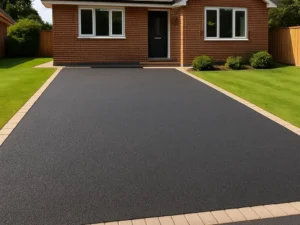
A tarmac driveway with block edging is a surfacing solution that combines a smooth tarmac base with decorative block paving installed around the borders. This design is widely used for residential and commercial properties because it offers both strength and visual appeal. While the tarmac creates a durable and cost-effective driving surface, the edging blocks add structure, definition, and style to the overall layout.
Traditionally, tarmac has been one of the most reliable materials for driveways due to its ability to withstand heavy traffic and changing weather conditions. However, plain tarmac alone can sometimes appear too simple for homeowners who want a more refined finish. For this reason, block edging is often added to create contrast and improve the driveway’s appearance.
The edging blocks are typically installed along the sides, entrances, or curved sections of the driveway. In many cases, homeowners choose contrasting colours such as charcoal, red, or brindle blocks to enhance the design. As a result, the driveway gains a more premium and customised look without the higher cost of a fully block-paved surface.
In addition to aesthetics, block edging also plays an important structural role. It helps hold the tarmac in place and reduces the risk of edge cracking or spreading over time. Because of this added support, properly installed edging can extend the lifespan of the driveway and reduce the need for frequent Tarmac Driveway With Block Edgingrepairs.
Another reason why this driveway style remains popular is its versatility. It works well with modern homes, traditional properties, commercial entrances, and even larger private roads. Furthermore, homeowners can customise the edging design to suit the shape and character of their property.
At TAG Surfacing Ltd, professionally installed tarmac driveways with block edging are designed to provide durability, low maintenance, and long-lasting visual appeal for properties across the UK.
Key Benefits of a Tarmac Driveway With Block Edging
A tarmac driveway with block edging offers far more than a simple parking surface. It combines durability, affordability, and decorative appeal, making it one of the most practical driveway choices for UK homeowners. In addition, the combination of smooth tarmac and stylish edging creates a professional finish that suits a wide range of property styles.
Improved Kerb Appeal
One of the biggest advantages of adding block edging to a tarmac driveway is the visual improvement it provides. Plain tarmac can sometimes look basic, whereas decorative edging introduces contrast, texture, and definition. As a result, the driveway appears more refined and attractive from the street.
Homeowners can also choose from various colours, patterns, and block styles to complement their property’s exterior. Whether you prefer a traditional look or a more modern design, block edging can significantly enhance the overall appearance of your driveway.
Increased Structural Strength
In addition to improving aesthetics, block edging adds essential support to the edges of the tarmac surface. Without proper edging, the sides of a driveway may gradually weaken or crumble due to vehicle pressure and changing weather conditions.
Because the edging acts as a retaining border, it helps keep the tarmac securely in place. Consequently, this added stability can reduce the likelihood of cracking, movement, and expensive Tarmac Driveway With Block Edgingrepairs in the future.
Cost-Effective Driveway Solution
Compared to fully block-paved driveways, tarmac remains one of the more affordable surfacing materials available. However, by adding block edging, homeowners can still achieve a premium appearance without significantly increasing installation costs.
This balance between affordability and style makes the combination particularly attractive for larger driveways, private roads, and commercial entrances.
Low Maintenance Requirements
Another major benefit is the relatively low level of maintenance required. Tarmac surfaces are easy to clean and generally resistant to heavy wear. At the same time, block edging can be individually repaired or replaced if damage occurs.
Regular sweeping, occasional pressure washing, and prompt repair work can help maintain the driveway’s condition for many years. Therefore, property owners can enjoy a durable surface without constant upkeep.
Better Driveway Definition and Layout
Block edging also helps create clearer borders and a more organised appearance. This can be especially useful for curved driveways, pathways, parking areas, or landscaped gardens.
Furthermore, edging can improve the transition between the driveway and surrounding features such as lawns, flower beds, or patios. As a result, the entire outdoor space appears more structured and visually balanced.
Long-Term Durability
When installed professionally, a tarmac driveway with block edging can withstand heavy traffic, harsh weather, and everyday use for many years. The combination of strong surfacing and reinforced edges helps minimise damage caused by water penetration and vehicle movement.
At TAG Surfacing Ltd, high-quality materials and expert installation techniques are used to create driveways that are built for long-term performance and lasting visual appeal.
Popular Design Options for a Tarmac Driveway With Block Edging
One of the reasons homeowners choose a tarmac driveway with block edging is the wide variety of design possibilities available. While tarmac provides a clean and durable base, the edging blocks allow property owners to customise the appearance of the driveway to suit their home’s style. As a result, the finished surface can look both practical and visually impressive.
From traditional borders to modern decorative layouts, block edging adds character and definition that plain tarmac alone cannot achieve.
Traditional Brick Border Designs
Traditional brick-style edging remains one of the most popular options for UK driveways. Typically, homeowners choose red, brindle, or charcoal blocks to create a classic appearance around the tarmac surface.
These borders work particularly well with period properties and homes that already feature brickwork or traditional landscaping. In addition, the contrasting edge helps frame the driveway neatly, giving it a more polished finish.
Contemporary Contrasting Edging
For modern homes, many property owners prefer sleek and contrasting edging colours. Dark charcoal blocks paired with lighter tarmac, or lighter stone-effect blocks against darker surfaces, can create a highly contemporary appearance.
Because modern driveway trends focus heavily on clean lines and minimalistic design, contrasting edging is often used to make the driveway stand out while maintaining a professional look.
Curved and Decorative Borders
Block edging is not limited to straight lines. In fact, curved borders can add a softer and more elegant feel to the driveway layout. Curved edging works especially well for properties with landscaped gardens, circular driveways, or winding entrances.
Additionally, decorative features such as circles, patterns, or entrance aprons can be incorporated into the design to create a more customised appearance.
Raised Kerb Edging
Some homeowners choose raised edging or kerb-style borders to provide additional separation between the driveway and surrounding areas. This option can help protect lawns, flower beds, and pathways from vehicle movement.
Furthermore, raised edging can improve water control by helping direct rainwater away from vulnerable sections of the driveway.
Multi-Colour Block Patterns
Another increasingly popular option involves mixing different block colours to create unique border patterns. Alternating tones or textured blocks can add extra visual interest without overwhelming the overall design.
Because of the flexibility offered by block paving materials, homeowners can create a driveway that reflects their personal preferences while still maintaining long-term durability.
Matching Pathways and Patio Areas
To achieve a more cohesive outdoor appearance, many property owners extend the same edging style into pathways, patios, or entrance areas. As a result, the entire exterior space feels more connected and professionally designed.
This coordinated approach can also improve property value by creating a stronger first impression for visitors and potential buyers.
At TAG Surfacing Ltd, customised tarmac driveway designs are tailored to match the character, layout, and practical requirements of each property, ensuring both visual appeal and long-lasting performance.
Common Problems and Tarmac Driveway With Block Edgingrepairs
Although a tarmac driveway with block edging is known for its durability and low maintenance, wear and tear can still occur over time. Constant vehicle use, changing weather conditions, poor drainage, and natural ground movement may eventually lead to damage. Therefore, identifying problems early and arranging professional repairs can help extend the lifespan of the driveway while preventing more serious structural issues.
Understanding the most common problems associated with this type of surface can also help homeowners maintain the appearance and safety of their property.
Loose or Sunken Block Edging
One of the most common issues involves loose or uneven edging blocks. Over time, the ground beneath the blocks may shift due to heavy traffic, water penetration, or inadequate installation.
As a result, some sections of the edging may sink, separate, or become unstable. Besides affecting the appearance of the driveway, damaged edging can also weaken the support around the tarmac surface. Prompt repairs are essential to restore stability and prevent further movement.
Cracks in the Tarmac Surface
Tarmac is highly durable, but it can still develop cracks after years of exposure to weather changes and vehicle pressure. Small cracks may appear due to temperature fluctuations, while larger cracks often indicate deeper structural problems beneath the surface.
If left untreated, water can enter these cracks and cause further deterioration during freezing conditions. Consequently, timely Tarmac Driveway With Block Edgingrepairs can prevent more extensive damage and costly resurfacing work later.
Edge Deterioration and Crumbling
Driveway edges are especially vulnerable to wear because they regularly experience pressure from vehicle tyres. Without proper support, the tarmac near the borders may gradually crumble or break away.
Fortunately, professionally installed block edging helps reduce this risk. However, if damage does occur, repair specialists can rebuild weakened sections and reinforce the driveway’s structure.
Weed Growth Between Blocks
Weeds and moss can sometimes develop in the joints between edging blocks, particularly if regular maintenance is neglected. Although this issue may initially seem cosmetic, plant growth can eventually loosen the blocks and affect drainage.
Regular cleaning and joint maintenance can help prevent weed growth and preserve the driveway’s neat appearance.
Drainage Problems and Water Pooling
Poor drainage is another common cause of driveway damage. If rainwater cannot flow away correctly, standing water may weaken both the tarmac and the edging foundation.
Over time, excess moisture can lead to cracking, sinking, and surface erosion. Therefore, professional repair work often includes improving drainage channels and correcting uneven areas to prevent recurring issues.
Fading and Surface Wear
Continuous exposure to sunlight, rain, and vehicle traffic may gradually cause the tarmac surface to fade or lose its original appearance. While this does not always affect structural performance, it can reduce the overall visual appeal of the property.
In many cases, resurfacing or seal coating can restore the driveway’s appearance and improve its resistance to future wear.
When to Schedule Professional Repairs
Minor problems can quickly become more serious if ignored. Therefore, homeowners should arrange professional inspections if they notice:
- Large cracks or potholes
- Loose edging blocks
- Water pooling on the surface
- Significant sinking or uneven areas
- Crumbling driveway edges
At TAG Surfacing Ltd, experienced surfacing specialists provide reliable repair and maintenance services designed to restore both the appearance and durability of tarmac driveways with block edging.
How Professionals Repair a Tarmac Driveway With Block Edging
Professional driveway repairs involve much more than simply patching visible damage. To achieve long-lasting results, contractors must first identify the underlying cause of the problem before carrying out the appropriate repair methods. Whether the issue involves cracked tarmac, loose edging blocks, or drainage failure, experienced surfacing specialists follow a structured process to restore both the strength and appearance of the driveway.
Because every driveway experiences different levels of wear, repair solutions are often tailored to the condition of the surface and the extent of the damage.
Initial Inspection and Surface Assessment
The repair process usually begins with a detailed inspection of the driveway. Contractors examine the tarmac surface, edging blocks, drainage system, and sub-base condition to identify any structural concerns.
During this stage, professionals also determine whether the damage is isolated or part of a larger issue. As a result, homeowners receive a more accurate recommendation for repair or resurfacing work.
Cleaning and Surface Preparation
Before any repair work begins, the driveway must be thoroughly cleaned. Dirt, weeds, moss, oil stains, and loose debris are removed to create a stable working surface.
Proper preparation is essential because repairs applied to contaminated or unstable surfaces may not last. Therefore, cleaning helps improve both repair quality and long-term durability.
Re-Leveling Loose or Sunken Blocks
If the edging blocks have shifted or sunk, contractors will carefully lift the affected sections and repair the foundation beneath them. In many cases, this involves adding or compacting new sub-base materials to restore stability.
Once the foundation is secure, the blocks are repositioned and aligned correctly. This process helps strengthen the driveway edges while improving the overall appearance of the surface.
Crack Filling and Tarmac Repairs
Small cracks in tarmac can often be repaired using specialist fillers and bonding materials. However, larger damaged sections may require cutting out the affected area and applying fresh tarmac.
Because water penetration is one of the main causes of deterioration, sealing cracks quickly can help prevent further structural damage. Consequently, early Tarmac Driveway With Block Edgingrepairs are usually more affordable than complete driveway replacement.
Resurfacing Worn Areas
If the tarmac surface has become heavily worn or faded, contractors may recommend resurfacing. This involves applying a new layer of tarmac over the existing driveway to restore its smooth finish and improve durability.
Resurfacing is often a cost-effective alternative to full replacement, particularly when the sub-base remains structurally sound.
Drainage Improvements
Professional repair work frequently includes drainage corrections, especially if water pooling has contributed to surface damage. Contractors may install additional drainage channels, adjust surface levels, or improve water runoff around the edging.
Effective drainage is essential for protecting both the tarmac and the block borders from long-term water damage.
Final Finishing and Quality Checks
Once repairs are complete, contractors perform final checks to ensure the driveway surface is even, secure, and visually consistent. Joint sanding, edge sealing, and finishing touches may also be applied to improve durability and appearance.
At TAG Surfacing Ltd, professional repair services are designed to restore damaged driveways efficiently while maintaining the high-quality finish homeowners expect from expertly installed tarmac and block edging systems.
How Much Does a Tarmac Driveway With Block Edging Cost in the UK?
The cost of installing or repairing a tarmac driveway with block edging can vary depending on several important factors. While tarmac is generally considered one of the more affordable driveway materials, the addition of decorative edging, groundwork preparation, and drainage systems can influence the final price.
Because every property is different, professional contractors usually provide tailored quotations based on the size, condition, and design requirements of the driveway.
Factors That Affect the Cost
Several elements contribute to the overall cost of a driveway project. Understanding these factors can help homeowners plan their budget more effectively.
Driveway Size
Larger driveways naturally require more materials, labour, and preparation work. As a result, installation costs increase with the total surface area being covered.
However, larger projects may sometimes benefit from lower per-square-metre pricing due to material efficiency and labour distribution.
Ground Preparation and Excavation
The condition of the existing ground plays a major role in pricing. If the area requires excavation, removal of old surfacing, or additional sub-base installation, the project cost may increase significantly.
Proper groundwork is essential because weak foundations can eventually lead to cracking, sinking, and future Tarmac Driveway With Block Edgingrepairs.
Choice of Block Edging
Block edging is available in various colours, styles, and materials. Basic concrete edging blocks are generally more affordable, while decorative or premium paving options may cost more.
Additionally, complex border patterns or curved edging designs may require extra labour during installation.
Drainage Requirements
Driveways with poor drainage may require additional channels, soakaways, or surface adjustments to comply with UK drainage regulations. Although this increases the initial investment, proper drainage helps prevent long-term damage and costly repairs later.
Accessibility of the Property
Properties with limited access or difficult working conditions can sometimes increase labour time and equipment requirements. Consequently, installation costs may be slightly higher for restricted sites.
Average UK Installation Costs
Although prices vary between regions and contractors, homeowners can generally expect the following average costs in the UK:
Basic tarmac driveway: approximately £45–£70 per m²
Tarmac driveway with block edging: approximately £60–£100 per m²
Decorative edging upgrades: additional costs depending on design complexity
Full driveway resurfacing: typically lower than complete replacement
These figures are intended as general estimates, and actual prices may vary depending on property requirements and material selection.
Repair Costs vs Full Replacement
In many situations, repairing damaged sections of a driveway is more cost-effective than replacing the entire surface. Small cracks, loose edging blocks, or isolated sinking areas can often be repaired quickly without major reconstruction work.
However, if the sub-base has failed or the surface has extensive structural damage, complete resurfacing or replacement may provide a better long-term solution.
Professional contractors can assess the condition of the driveway and recommend the most practical and cost-efficient approach.
Why Quality Installation Matters
While lower-cost quotations may seem appealing, poor workmanship often leads to premature deterioration and additional repair expenses. High-quality installation ensures proper drainage, stable foundations, and long-term durability.
At TAG Surfacing Ltd, driveway installations are completed using reliable materials and professional surfacing techniques to deliver lasting value, strong performance, and attractive finishes for residential and commercial properties alike.
How to Maintain a Tarmac Driveway With Block Edging
Proper maintenance is essential for keeping a tarmac driveway with block edging in excellent condition for many years. Although this type of driveway is known for its durability and relatively low upkeep requirements, regular care can help prevent unnecessary wear, preserve visual appeal, and reduce long-term repair costs.
By following a few simple maintenance practices, homeowners can protect both the tarmac surface and the decorative edging from premature deterioration.
Keep the Driveway Clean
Routine cleaning is one of the most effective ways to maintain a driveway’s appearance and performance. Dirt, leaves, oil stains, and debris can gradually build up on the surface, particularly during wet weather conditions.
Regular sweeping helps prevent debris accumulation, while occasional pressure washing can remove stubborn stains and moss growth. However, excessive pressure should be avoided around block joints to prevent disturbance to the edging structure.
A clean driveway not only looks more attractive but also reduces the risk of drainage problems and surface damage.
Remove Weeds and Moss Early
Weeds and moss can sometimes appear between edging blocks or along driveway borders. If left untreated, plant growth may loosen the blocks and weaken the overall structure over time.
Therefore, it is important to remove weeds as soon as they appear and apply suitable weed prevention treatments when necessary. Keeping the joints properly maintained also helps preserve the neat appearance of the driveway.
Repair Small Cracks Promptly
Minor cracks in tarmac may seem harmless initially, but they can quickly worsen if water enters the surface. During colder weather, trapped moisture may freeze and expand, causing larger cracks and potholes to develop.
Because of this, small repairs should be completed as early as possible. Prompt Tarmac Driveway With Block Edgingrepairs can prevent more extensive structural damage and reduce the likelihood of expensive resurfacing work later.
Avoid Excessive Vehicle Pressure
Although tarmac is designed to handle regular traffic, repeated pressure from heavy vehicles in the same area can eventually weaken the surface. Parking heavy vans, caravans, or machinery on the driveway for long periods may increase the risk of sinking or cracking.
Where possible, homeowners should distribute vehicle weight evenly and avoid sharp turning movements that place additional stress on the surface edges.
Monitor Drainage Performance
Good drainage is essential for protecting the driveway from water-related damage. Blocked drains, standing water, or uneven surface areas should be addressed quickly to prevent moisture from weakening the tarmac and edging foundations.
Regular inspections after heavy rainfall can help identify early drainage issues before they become more serious.
Consider Periodic Professional Inspections
Even well-maintained driveways benefit from occasional professional inspections. Experienced contractors can identify hidden structural problems, drainage concerns, or early signs of surface wear before major repairs become necessary.
In many cases, preventative maintenance is far more affordable than extensive restoration work.
Protect Long-Term Appearance and Value
A well-maintained driveway improves both kerb appeal and property value. By investing in regular upkeep, homeowners can ensure their driveway remains safe, attractive, and functional for many years.
At TAG Surfacing Ltd, expert maintenance and repair services help homeowners preserve the strength, appearance, and long-term performance of tarmac driveways with decorative block edging.
Why Choose Professional Driveway Contractors?
Installing or repairing a tarmac driveway with block edging requires skill, experience, and proper groundwork preparation. Although some homeowners may consider DIY solutions for minor maintenance, professional installation and repair services provide far more reliable and long-lasting results.
Because driveways are exposed to constant vehicle traffic and changing weather conditions, poor workmanship can quickly lead to cracks, drainage issues, and costly future repairs. Therefore, choosing experienced driveway contractors is one of the most important decisions homeowners can make.
Expert Ground Preparation
A strong driveway begins with proper groundwork. Professional contractors understand the importance of excavation depth, sub-base compaction, and drainage installation before any surfacing materials are applied.
Without a stable foundation, even high-quality tarmac and edging materials can eventually sink or crack. As a result, professional preparation significantly improves the durability and lifespan of the driveway.
High-Quality Materials and Equipment
Experienced driveway specialists use reliable materials that are designed to withstand heavy use and harsh UK weather conditions. In addition, professional equipment allows contractors to achieve a smoother, stronger, and more consistent finish.
Using high-grade materials also reduces the likelihood of premature surface wear and frequent Tarmac Driveway With Block Edgingrepairs.
Proper Drainage Installation
Drainage plays a critical role in driveway performance. Poor water management can lead to pooling, erosion, and structural weakening over time.
Professional contractors carefully assess the slope and layout of the property to ensure water drains away effectively. Consequently, this helps protect both the tarmac surface and the edging foundation from long-term moisture damage.
Tailored Driveway Designs
Every property has different requirements, and professional installers can recommend design solutions that suit the layout, style, and intended use of the driveway.
Whether homeowners prefer traditional edging, modern contrasting borders, curved layouts, or decorative features, experienced contractors can create a customised design that complements the property’s appearance.
Long-Term Cost Savings
Although professional installation may require a higher initial investment, it often saves money in the long run. Poor-quality workmanship frequently results in early cracking, sinking, and expensive repair work.
By choosing skilled contractors from the beginning, homeowners can minimise future maintenance costs and enjoy a more durable surface for many years.
Compliance With UK Standards
Professional driveway companies also understand local regulations regarding drainage, surfacing, and construction standards. This ensures the completed driveway complies with current UK requirements and performs effectively in varying weather conditions.
Reliable Repairs and Maintenance Support
In addition to installation services, experienced contractors can provide ongoing maintenance, resurfacing, and repair solutions when required. This ongoing support helps homeowners maintain the appearance and structural integrity of their driveway over time.
At TAG Surfacing Ltd, professional surfacing specialists deliver expertly installed tarmac driveways with block edging that combine durability, functionality, and long-lasting visual appeal for residential and commercial properties across the UK.
Conclusion
A tarmac driveway with block edging offers an excellent balance of durability, affordability, and visual appeal for both residential and commercial properties. By combining the strength of tarmac with the decorative finish of block paving borders, homeowners can create a driveway that is both practical and attractive. In addition, the added edging support helps improve structural stability and reduce long-term surface deterioration.
Although this type of driveway is designed to withstand heavy use and changing weather conditions, regular maintenance and timely Tarmac Driveway With Block Edging repairs remain essential for preserving its appearance and performance. Addressing minor cracks, drainage concerns, or loose edging blocks early can help prevent more extensive and costly damage in the future.
From traditional border styles to modern customised layouts, block edging also provides homeowners with greater design flexibility. As a result, the driveway can be tailored to complement the character and style of almost any property.
Choosing experienced professionals for installation and repairs is equally important. Proper groundwork preparation, quality materials, and expert drainage solutions all contribute to a longer-lasting and more reliable surface.
At TAG Surfacing Ltd, expertly installed tarmac driveways with block edging are designed to deliver long-term durability, improved kerb appeal, and dependable performance. Whether you need a new driveway installation, resurfacing work, or professional repair services, experienced surfacing specialists can help create a solution tailored to your property’s needs.
Frequently Asked Questions About Tarmac Driveways With Block Edging
What is the benefit of block edging on a tarmac driveway?
Block edging improves both the appearance and structural strength of a tarmac driveway. It creates a cleaner and more decorative finish while also helping to support the edges of the tarmac surface. As a result, edging can reduce the risk of crumbling, spreading, and long-term surface damage.
In addition, homeowners can customise the edging using different colours and patterns to enhance the overall kerb appeal of the property.
How long does a tarmac driveway with block edging last?
A professionally installed tarmac driveway with block edging can last between 15 and 25 years, depending on usage, maintenance, weather conditions, and installation quality.
Regular cleaning, proper drainage, and timely Tarmac Driveway With Block Edgingrepairs can help extend the lifespan even further. Driveways that receive consistent maintenance generally remain in better condition for longer periods.
Can damaged block edging be repaired without replacing the whole driveway?
Yes, in many cases, damaged edging blocks can be repaired or replaced individually without removing the entire driveway. Contractors can lift loose or sunken blocks, repair the foundation underneath, and reinstall the edging securely.
This makes block edging a practical and cost-effective solution because isolated damage can often be fixed quickly.
Is a tarmac driveway cheaper than block paving?
Generally, tarmac driveways are more affordable than fully block-paved driveways. Tarmac requires fewer materials and less installation time, which helps reduce overall costs.
However, adding decorative block edging allows homeowners to achieve a more premium appearance without paying the higher price associated with complete block paving installations.
How often should a tarmac driveway be maintained?
Basic maintenance should be carried out regularly throughout the year. Sweeping, cleaning, weed removal, and visual inspections can help keep the driveway in good condition.
Professional inspections and minor repairs may also be recommended every few years, especially if cracks, drainage issues, or edging movement become visible.
Does block edging improve driveway drainage?
Block edging itself does not directly drain water, but it helps define the shape and structure of the driveway. When installed correctly alongside proper drainage systems, edging can help guide water flow and reduce pooling around the surface edges.
Effective drainage is important because standing water can weaken both tarmac and edging foundations over time.
What causes cracks in tarmac driveways?
Cracks can develop due to several factors, including weather changes, heavy vehicle traffic, poor drainage, ground movement, or ageing surfaces. Small cracks may also appear naturally as the material expands and contracts during temperature fluctuations.
Prompt repairs are important because water entering the cracks can lead to more severe structural damage.
Can weeds damage driveway edging blocks?
Yes, weeds and moss can gradually weaken joints between edging blocks if they are not removed regularly. Over time, plant growth may loosen the blocks and affect the stability of the driveway borders.
Routine cleaning and weed control help preserve both the appearance and structural condition of the edging.
How much does driveway resurfacing cost in the UK?
The cost of resurfacing depends on factors such as driveway size, surface condition, drainage requirements, and material selection. In general, resurfacing is more affordable than complete driveway replacement because the existing foundation may still be usable.
Professional contractors can assess the condition of the driveway and provide accurate quotations based on the required work.
Is a tarmac driveway suitable for modern homes?
Yes, tarmac driveways with block edging work extremely well for modern properties. The smooth surface creates a clean and contemporary appearance, while decorative edging adds contrast and design flexibility.
Because of the wide range of edging styles available, homeowners can customise the driveway to match both traditional and modern architectural designs.
For expert driveway installations, resurfacing, and repairs, homeowners can contact TAG Surfacing Ltd for professional guidance and tailored surfacing solutions.